Guides
Chicago heating, plumbing and roofing checks for older housing stock
Prewar Chicago homes hide steam heat, galvanized pipe and ice dam defects that a standard suburban home inspection checklist never looks for.
What to take away
- Chicago's prewar housing runs on steam heat, galvanized supply lines and masonry that freeze-thaw cycles work on every winter.
- A steam boiler needs its pressure gauge, low-water cutoff and relief valve read before the first hard freeze, not after.
- A magnet separates galvanized steel from copper in one second, and the pipe between the meter and the street may be lead.
- Ice dam evidence lives in the atticsheathing stains, efflorescence and rusted fasteners, not in the icicles outside.
- Pre-1978 homes trigger the EPA lead rule, which puts risk assessment in a certified assessor's hands, not yours.
Why prewar Chicago housing needs its own checklist
Much of Chicago went up before 1950, when steam heat, galvanized pipe and coal chutes were standard. A checklist built for slab foundations and heat pumps skips the failure modes that actually cost money here.
Freeze-thaw cycles work on masonry, roof flashing and exposed piping from November through March. A mild autumn hides a cracked radiator valve until the first cold snap, and by then the client is calling you, not a plumber.
This is not a renovation guide. It is a set of checks that produce defensible findings and a clean file. The same discipline shows up in daily SOPs for inspection firms.
Steam heat: boiler, radiators and distribution
Steam is still common in two-flats, greystones and courtyard buildings. It runs at low pressure, usually under 5 psi, and behaves nothing like forced air. Inspectors who rush this section miss the most expensive defects in the house.
Start at the boiler
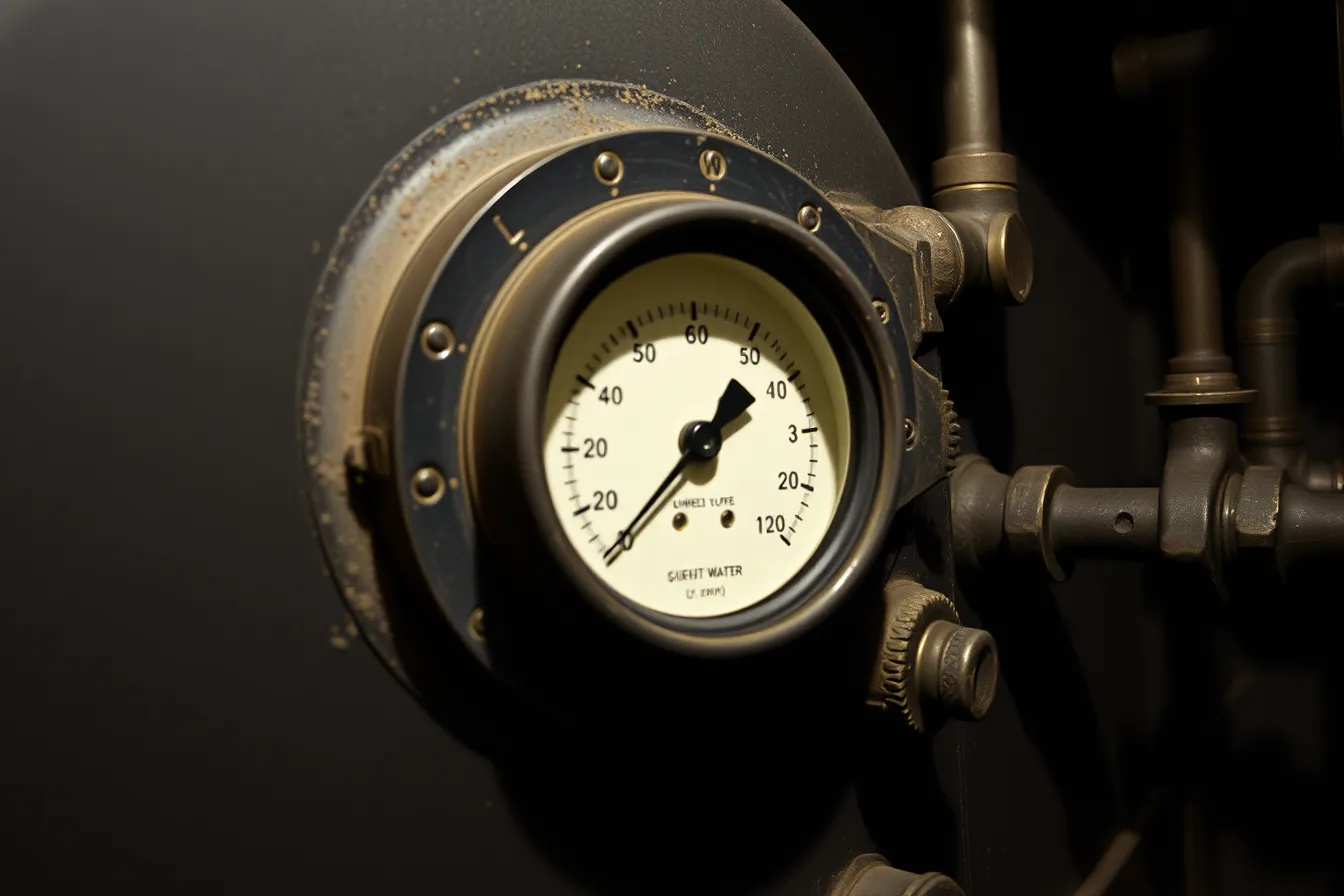
Read the pressure gauge, the low-water cutoff and the sight glass. A dirty sight glass hides a low-water condition, and a dry boiler block can crack.
Check the relief valve for corrosion or paint. A painted-over relief valve is a defect, not a cosmetic issue. Note the boiler's age if the data plate is legible.
Walk every radiator
Feel for cold sections at the bottom, which point to sludge or a failed trap. Look for rust streaks at the valve and union.
Open an air vent only if the system is running and you can do it safely. A vent that hisses and never closes wastes steam and raises fuel bills. A vent painted shut will not pass air at all.
- Boiler pressure gauge reads in normal range
- Low-water cutoff and sight glass are clean and functional
- Relief valve is unpainted and free of corrosion
- Every radiator heats evenly across its surface
- Air vents close when steam reaches them
- Pipe insulation is intact in unheated spaces
Follow the mains
In the basement, look for sagging pipes that trap water and cause banging. Check insulation in crawl spaces and near rim joists, where winter cold reaches first.
Galvanized plumbing and lead service line evidence
Galvanized steel supply lines were standard in Chicago until the 1950s. They corrode from the inside, and the corrosion narrows the bore until pressure drops. By the time a homeowner notices, the pipes are usually at the end of their life.
Start at the water meter. The pipe between the meter and the street is the service line, and in older neighborhoods that line may be lead. Document what you can see. Do not guess at what is buried.
A magnet sticks to galvanized steel and not to copper, which settles the material question on a visual inspection. A scratch test can confirm lead, but only on exposed pipe.
- Visible pipe material at the meter and main shutoff
- Galvanized lines with rust, scale or reduced flow
- Green or white corrosion at threaded joints
- Water pressure at the highest fixture
- Discolored water after a short flush
- Evidence of past repiping, such as mixed materials
Record pressure readings and photos. A client who sees 40 psi at the top floor understands the problem faster than a paragraph of description. Pair that evidence with your service quality standards so reports stay consistent across inspectors.
Ice dam signs, attic ventilation and roof decking
Ice dams form when heat escapes into the attic, melts snow on the roof, and the meltwater refreezes at the eaves. Chicago winters produce them often, especially on older roofs with poor ventilation.
Outside
Look at the eaves from the ground and from a ladder if it is safe. Icicles alone prove nothing. Long icicles along the eave line plus a snow-free band higher up suggest a real ice dam.
Check gutters for ice buildup and for granules from worn shingles. Look at the fascia for vertical water stains.
In the attic
The attic tells the story. Dark stains on roof sheathing, especially near the eaves, mean water has been sitting there. Efflorescence, the white mineral deposit, means water moved through the wood and dried.
Rusted nails and fasteners are another sign, and so are delaminated plywood or curled shingle tabs seen from the attic side.
- Attic ventilation openings are clear and sized to the space
- Bath and kitchen exhausts vent outside, not into the attic
- Insulation covers the ceiling evenly, with no gaps at the eaves
- Roof sheathing shows no staining or delamination
- No rusted fasteners or efflorescence on decking
- Ice dam evidence noted with photos and location
Older Chicago attics often have gable vents only, which is rarely enough. Without soffit and ridge ventilation, warm air sits in the attic and feeds the cycle.
EPA lead rules for pre-1978 Chicago homes
Most prewar Chicago housing was painted before lead paint was banned for residential use in 1978, so the EPA lead rule is routine work here, not an edge case.
Sellers and landlords must disclose known lead paint and hand the EPA pamphlet to buyers and tenants.
The Lead | US EPA page is the starting point for the rule and for certified contractor requirements.
An inspector can note deteriorated paint and the age of the home. An inspector cannot perform a lead risk assessment without the certification, which belongs to a certified risk assessor or lead inspector. If you see chipping or chalking paint on a pre-1978 home, document it and refer the client to a certified professional. Do not disturb painted surfaces.
Radon and asbestos also turn up in older Chicago homes. The EPA groups these topics for regulatory purposes, and the Regulatory and Guidance Information By Topic | US EPA page is a useful index when you need the current rule for a specific material.
NIST and HUD references that back the checklist
Inspectors do not need to be engineers, but they should know where the technical baseline comes from.
NIST publishes research on how building materials age and fail. The Materials and Structural Systems Division | NIST page covers durability work that applies to masonry, roofing and piping in older housing, and the broader Publications | NIST catalog is where you find the individual papers.
HUD sets federal housing standards and runs programs that touch inspection and property condition. The 25red-Housing | HUD.gov / U.S. Department of Housing and Urban Development (HUD) office page is the entry point for those programs and the standards that flow from them.
Use these sources when a client challenges a finding. A citation to a federal publication carries more weight than an inspector's opinion, and the habit supports your service standards when a report is reviewed later.
A worked checklist by season
Chicago weather does not follow a calendar, but the sequence is reliable enough to plan around.
| Season | Primary focus | Key checks |
|---|---|---|
| Fall | Heating readiness | Boiler pressure, radiator valves, pipe insulation |
| Winter | Freeze and ice | Ice dam evidence, attic ventilation, exposed pipes |
| Spring | Water intrusion | Roof flashing, masonry, basement seepage |
| Summer | Plumbing and paint | Galvanized flow test, lead paint condition, service line |
- Confirm the year the home was built and note pre-1978 status.
- Inspect the boiler and every radiator before the heating season.
- Test water pressure and identify supply line materials at the meter.
- Check the attic for ice dam evidence and ventilation gaps.
- Document lead paint condition and refer to a certified assessor.
- Photograph every finding and link it to the report section.
Coverage matters more than order. A missed radiator valve in October becomes an emergency call in January, and a missed ice dam stain in March becomes a ceiling repair in April.
Train new staff on this sequence with the home inspection compliance checklist so the winter route is not left to memory. Firms running multiple inspectors should fold it into their operations and workflow so scheduling reflects the extra time old housing demands.
Common questions
How long does a winter inspection take on a prewar Chicago home?
Longer than a suburban house of the same size. Steam systems, old plumbing and attic checks add steps that cannot be rushed, so quote the job with that time built in.
Can I inspect a steam boiler while it runs?
You can observe it running. Do not open valves or drain the system. Note what you see and recommend a licensed technician for service.
Is a lead paint test part of a standard home inspection?
No. A standard inspection documents paint condition. Testing and risk assessment require separate certification under the EPA lead rule, and a certified risk assessor performs them.
What is the most common ice dam defect in Chicago?
Poor attic ventilation combined with gaps in ceiling insulation. That combination feeds the freeze-thaw cycle at the eaves, and it shows up as sheathing stains before it shows up as a ceiling leak.