Guides
How Miami wind mitigation and flood inspections differ from inland work
A Miami wind mitigation inspection adds a Florida wind form, elevation certificate and moisture readings that inland Florida jobs never call for.
What to take away
Miami wind mitigation and flood inspections differ from inland Florida work in forms, price and timeline.
- A Miami wind mitigation inspection that insurers accept turns on the Florida OIR-B1-1802 form, roof-to-wall connection evidence and opening protection. Inland jobs rarely require that file.
- Elevation certificates are routine because much of Miami-Dade County sits in FEMA flood zones. Wind and flood are separate policies with separate rating methods.
- Moisture meter readings matter year round in coastal humidity. Readings that stay high point to the EPA mold guidance.
- Coastal pricing runs higher. A wind mitigation form typically costs $100 to $250 in Miami, an elevation certificate typically $400 to $800, and a standard inland home inspection typically $300 to $500.
- Timelines differ too. The wind inspection often takes 1 to 2 hours on site and 1 to 3 business days for the report. An elevation certificate often takes 1 to 2 weeks after the survey.
- Obligations are not the same. Florida licenses, signed form lines, photos and stated limits carry the file. Insurers pay for documentation, not opinions.
The Florida wind mitigation form, line by line
The OIR-B1-1802 uniform form reports wind mitigation features to insurers. It is not a general home inspection report. Every line maps to a discount category, and a missed line costs the client money.
Section one covers the building code and permit date. You verify the year of construction and whether the roof was permitted under the Florida Building Code. Older Miami homes often carry a 1994 or earlier date, which changes the discount tier.
Section two asks for roof covering, roof deck attachment and roof-to-wall connection evidence. You state the attachment method and the nail or staple spacing where visible. Straps or clips get photographed at the truss.
Section three covers the secondary water barrier and roof geometry. Miami roofs are often hip shaped, which insurers rate better than gable ends. Note the shape and any peel and stick underlayment.
Section four is opening protection: shutters, impact glass or other rated coverings, with product approval numbers where you can read them. Section five covers the garage door and its bracing. Section six is your signature and license number.
In Miami, a wind mitigation inspection typically costs $100 to $250. The on-site visit usually runs one to two hours. The completed report often goes out in one to three business days.
The form is valid for five years under Florida rules. Insurers may ask for an update after a roof replacement or a major storm. Check with the carrier before renewal.
Florida law limits who may sign the form. Qualified inspectors include Florida licensed home inspectors, building contractors, general contractors and residential contractors. Professional engineers, architects and building code inspectors also qualify.
Inspectors who bundle this with a business package sell it more often than those who quote it alone.
Flood elevation checks and elevation certificates
A flood elevation certificate is a FEMA form recording a building's elevation relative to the base flood elevation. Lenders require it for flood insurance rating on many Miami properties. FEMA's Elevation Certificate is the common form, often called an EC.
You measure the lowest floor elevation, the lowest adjacent grade and the building's elevation. On a slab home the lowest floor is the slab. On a raised home it is the finished floor of the lowest enclosed area.
The certificate is not a wind mitigation form and does not replace one. A Miami client often needs both, because wind and flood are separate policies.
Elevation work needs a level or survey grade instrument and a benchmark tied to a known datum. Inspectors without that equipment refer the job to a licensed surveyor. Say so at booking and clients accept it.
In Miami, an elevation certificate typically costs $400 to $800. Survey time often runs one to three hours on site, and the finished certificate often takes one to two weeks. Rush requests can cost more.
Obligations fall on the surveyor or engineer who signs. The certificate must follow FEMA instructions, name the datum, and carry the preparer's license and seal. Lenders and the National Flood Insurance Program use those lines to rate the policy.
Flood zone changes move demand. When FEMA revises maps, whole blocks shift into a higher risk zone and certificate requests spike. Track map revisions and you book that work before competitors do.
NOAA climate data shows the coastal moisture and storm exposure behind this demand. Climate | National Oceanic and Atmospheric Administration is the reference inspectors cite when a client asks why the extra work exists.
Storm forecasts move demand too, and Weather | National Oceanic and Atmospheric Administration gives the outlook inspectors watch before hurricane season.
Moisture readings that coastal humidity demands
Moisture meter readings in Miami are not a spot check. Humidity keeps wall cavities and attics damp long after rain stops. Readings that stay high point to problems an inland inspector might never see.
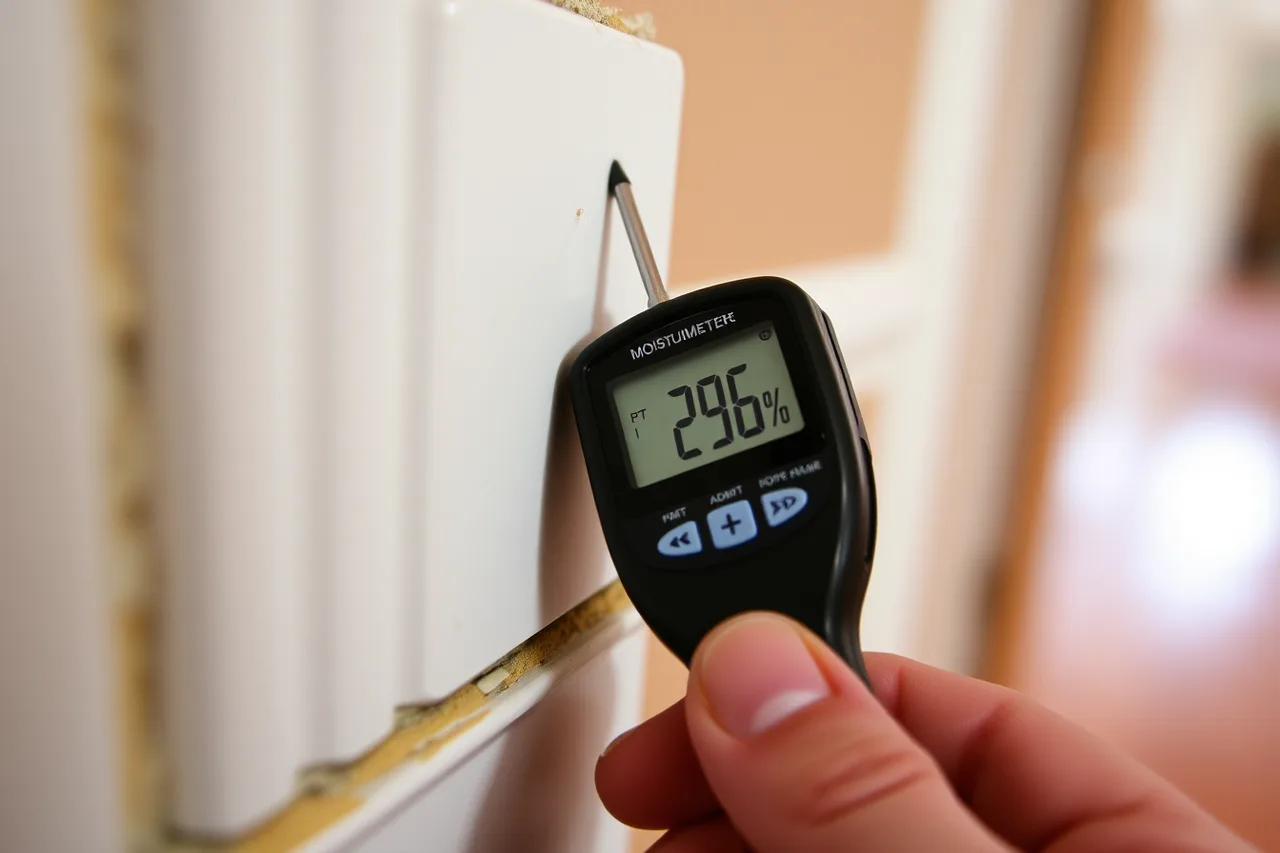
Take readings at baseboards, around windows, under sinks, at attic sheathing and near the air handler. A pin type meter gives a percentage at the surface. A pinless meter scans a wider area without holes. Both belong in the kit. Common brands include Protimeter, Delmhorst, Tramex and Extech.
Readings above the meter's dry baseline get a second look and a photo. Note the location, the reading and the conditions, such as a recent storm or a running air conditioner. Without that context the number means little to an insurer or a buyer.
Persistent high readings can indicate mold growth, and inspectors describe conditions rather than diagnose them. The EPA's guidance on mold in homes covers moisture control and cleanup, which helps you explain a finding without overstepping. Mold | US EPA is the reference to hand a client.
Moisture findings also feed the wind mitigation report when a leak has damaged the roof deck. Insurers want to know whether the deck is sound before they credit a roof covering. Document both and the client avoids a second visit.
A standalone moisture assessment in Miami typically costs $150 to $300. The readings happen during the same visit as the home or wind inspection, so the added time is often 20 to 40 minutes.
For inspectors building a service list, moisture and wind work are among the services that make the most money in coastal markets because they are required rather than optional.
Roof-to-wall connections, shutters and opening protection
Roof-to-wall connection evidence is the hardest part of the form to document. The connection is hidden, so you find it in the attic, at the truss, and photograph it clearly.
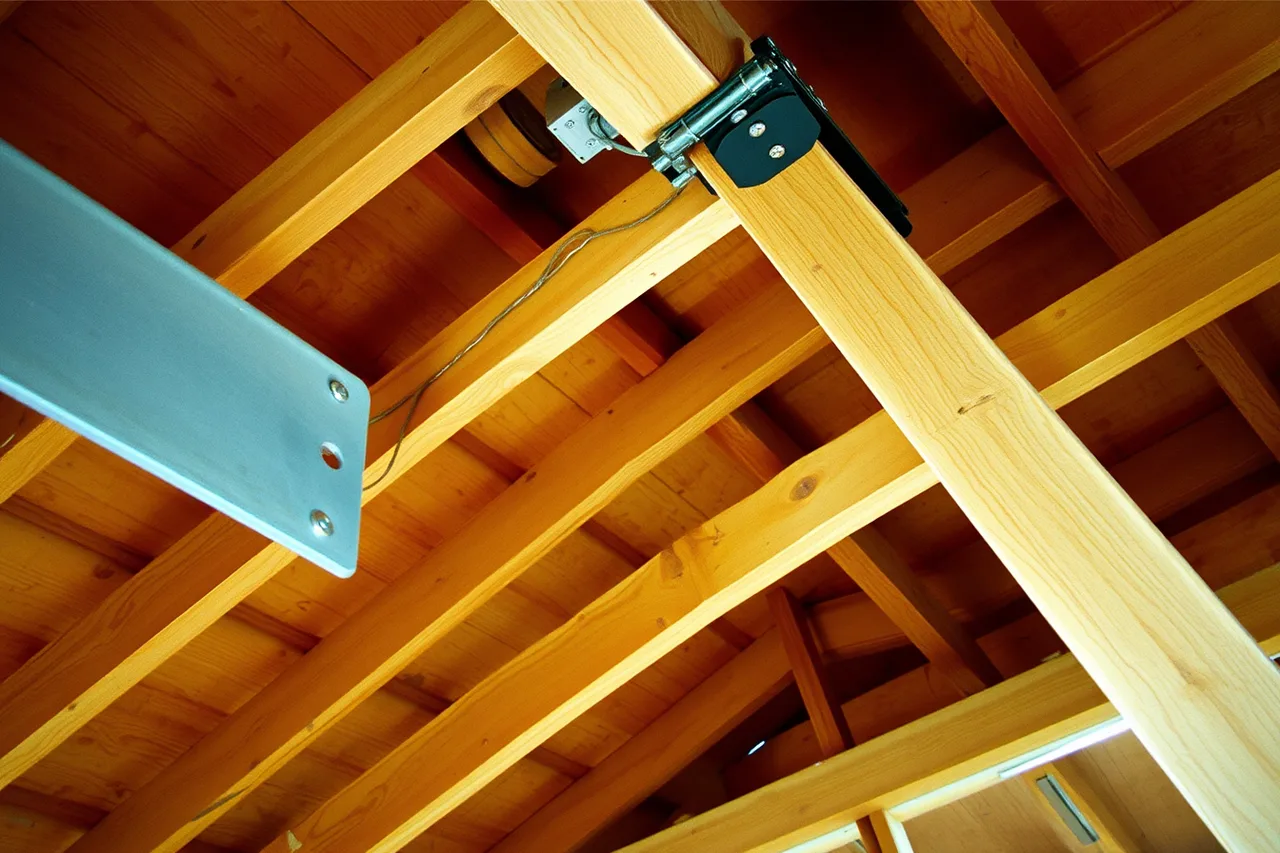
Acceptable evidence is a strap, clip or anchor tying the truss to the top plate. Note the type, the number of nails and whether the strap wraps over the truss or attaches to the side. A single nail in a strap rates differently than a full wrap.
Check the roof deck attachment as well: nail or staple size and spacing, and whether the deck is re-nailed. Many Miami homes have been re-nailed to meet current code, and that upgrade belongs on the form.
Opening protection covers every exterior opening: windows, doors, skylights and the garage door. Record whether protection is impact rated, panel shutters, accordion shutters or roll-downs, and note product approval numbers where visible. Brands such as PGT Innovations, CGI Windows and Doors, and Storm Smart appear on Florida product approval lists.
Missing protection on one window can change the whole rating. Photograph each opening type and note any that lack protection. The garage door gets its own line because it is the largest opening and the most common failure point.
A simple checklist keeps the attic visit consistent:
- Verify the permit year and roof covering
- Photograph roof-to-wall straps at three trusses
- Record nail or staple spacing on the deck
- Note the secondary water barrier if present
- Confirm roof shape and gable end bracing
- Document every opening and its protection type
- Photograph the garage door label and bracing
That checklist belongs in every coastal home inspection, and it is why Miami jobs take longer than inland ones. The extra time often adds $50 to $150 to a standard inspection fee in Miami.
Florida's My Safe Florida Home program offers eligible homeowners a free wind mitigation inspection and matching grants for upgrades. The program can drive calls, but the inspection still follows the OIR-B1-1802 form.
Inspectors who add it to a packages customers actually buy find clients accept the extra fee once the discount is explained.
What inland Florida inspections never call for
The inland contrast is stark. An inspector in Orlando or Gainesville rarely fills out a wind mitigation form, almost never produces an elevation certificate and does not carry a shutter schedule.
Inland work centers on the standard home inspection: roof, structure, electrical, plumbing and HVAC. Wind and flood coverage is cheaper inland, so insurers do not demand the same documentation. That changes the scope, the time on site and the price.
A standard home inspection in Orlando or Gainesville typically costs $300 to $500 for a single family house. The visit often runs two to three hours, and the report often goes out within one business day.
Inland inspectors also skip opening protection, because few homes have shutters or impact glass. Moisture readings still matter, but a drier season and lower humidity mean fewer persistent damp readings.
Miami inspectors carry a different kit: elevation instruments, shutter product lists, strap photos and a wind form template. Brands such as Spectra Precision, Trimble, Topcon and Leica make the levels and total stations used for elevation work.
Training and travel add cost, and clients pay it because the insurance savings are real. In Miami, bundling a wind mitigation form with a full home inspection often costs $400 to $700.
Demand follows storms. After a major system, inspection requests jump across the state, and FEMA business disaster assistance becomes part of the conversation for affected firms. Businesses | FEMA.gov explains what is available to small businesses after a declared disaster.
The NOAA Atlantic hurricane outlook is the seasonal signal inspectors use to plan capacity. NOAA maintains prediction for below-normal Atlantic hurricane season | National Oceanic and Atmospheric Administration shows how the agency frames the season, and inspectors staff up or down accordingly.
A quick comparison:
Miami-Dade coastal typical
- Wind mitigation, OIR-B1-1802
- $100 to $250
- Flood elevation certificate
- $400 to $800
- Standard home inspection
- $350 to $600
- Moisture assessment
- $150 to $300 standalone
Inland Florida typical
- Wind mitigation, OIR-B1-1802
- Rarely ordered, $75 to $150 when ordered
- Flood elevation certificate
- Rarely ordered, $400 to $800 when ordered
- Standard home inspection
- $300 to $500
- Moisture assessment
- $100 to $250 standalone
Who may sign
- Wind mitigation, OIR-B1-1802
- Florida licensed home inspector, contractor, engineer, architect or building code inspector
- Flood elevation certificate
- Licensed surveyor, engineer or architect
- Standard home inspection
- Florida licensed home inspector
- Moisture assessment
- Florida licensed home inspector or mold assessor
Typical timeline
- Wind mitigation, OIR-B1-1802
- 1 to 2 hours on site, 1 to 3 business days for report
- Flood elevation certificate
- 1 to 3 hours on site, 1 to 2 weeks for certificate
- Standard home inspection
- 2 to 3 hours on site, 1 to 2 business days for report
- Moisture assessment
- 20 to 40 minutes added to a visit
Documenting findings so insurers accept the file
Insurers reject reports that lack photos, measurements or clear form entries. Documentation is the product, and a sloppy file costs the client the discount.
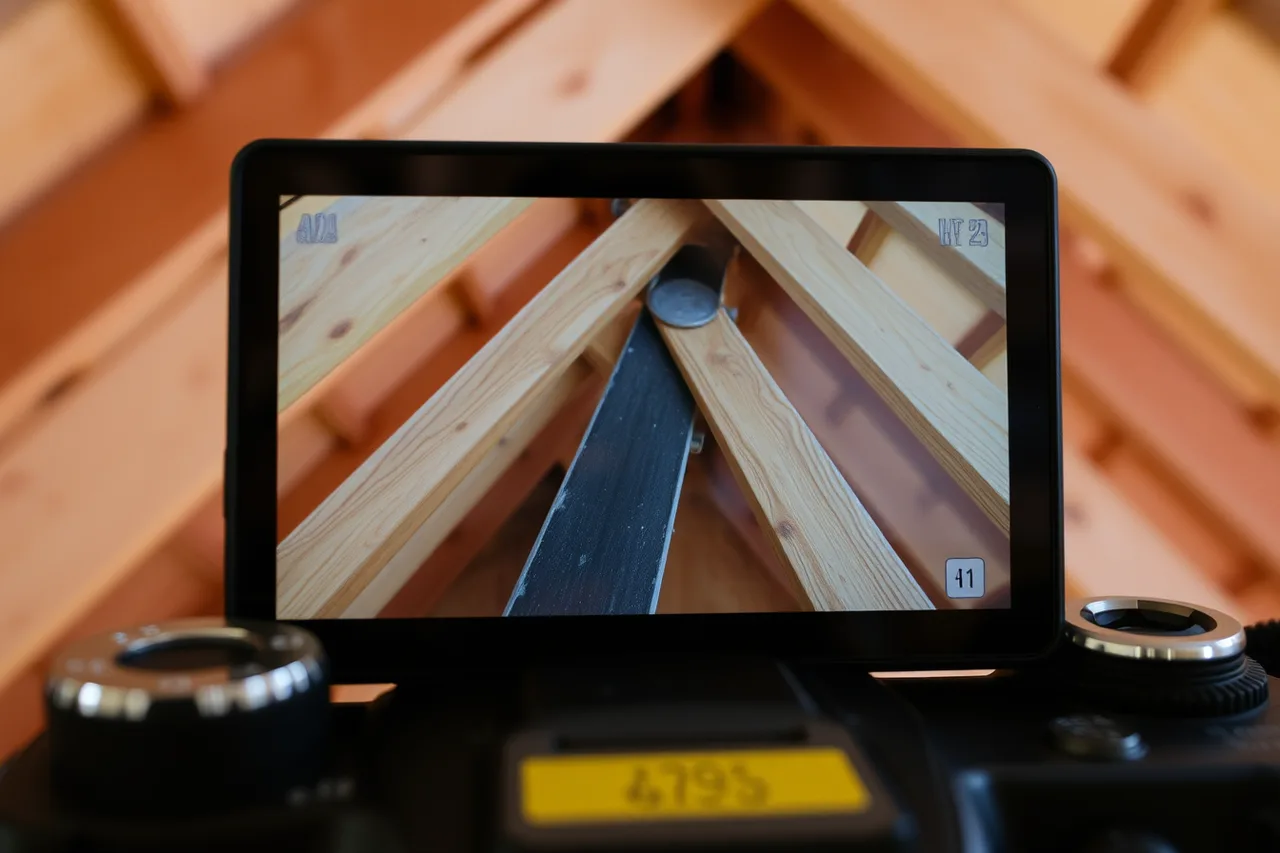
Every claim on the form needs a photo with a location note. Strap photos should show the truss, the strap and the nails in one frame. Moisture readings need the meter display and the location in the same shot.
State what was visible and what was not. If the attic was blocked or the deck was covered, say so. Insurers accept stated limits, and they question reports that claim more than the inspector could see.
A worked example: a 1998 Miami home with a hip roof, re-nailed deck, single wraps at the truss and accordion shutters on every window. The file carried photo pages for each strap, a deck attachment note and a shutter schedule. The wind premium dropped, and the file survived an insurer audit because every line had evidence.
Turnaround matters too. Clients need the form before closing or renewal, so set a delivery window and hold to it. The service quality standard for coastal work is a complete file, not a fast one.
Keep your file copy as long as the form is valid. Insurers may ask questions later, and a second look is easier when the photos and readings are organized.
Good files come from a repeatable workflow behind a smooth day: capture in the attic, upload the same day, review before sending. That habit cuts the time you spend answering insurer questions later.
Common questions
Do I need both a wind mitigation inspection and an elevation certificate in Miami?
Often yes. Wind and flood are separate policies with separate rating methods, so one form does not replace the other. Order both when the lender or the insurer asks for each. A typical Miami bundle runs $500 to $1,000.
How long is a Florida wind mitigation form good for?
Florida rules allow five years. Insurers may ask for a new one after a roof replacement or a major storm, so check with the carrier before renewal. The report itself often takes one to three business days after the visit.
What if I cannot see the roof-to-wall connection?
State the limitation, photograph what is visible and note the method you used. Insurers accept stated limits, not guesses, and a vague entry invites a rejection. A second visit can add $75 to $150.
Do inland Florida inspectors ever need shutter documentation?
Rarely. Opening protection is a coastal requirement, and inland homes seldom have rated coverings. If a client inland has impact glass, document it anyway; it may earn a credit.
Who can legally sign a wind mitigation form in Florida?
Florida accepts licensed home inspectors, building contractors, general contractors and residential contractors. Professional engineers, architects and building code inspectors also qualify. The form carries a license number, and insurers check it.
How much does an elevation certificate cost in Miami?
A licensed surveyor or engineer typically charges $400 to $800 in Miami-Dade County. The price depends on lot size, flood zone, building shape and whether the surveyor must locate a benchmark.
What does an inland Florida home inspection cost?
A standard single family inspection in Orlando or Gainesville typically runs $300 to $500. Wind mitigation and elevation work are add-ons that inland inspectors seldom sell.